Motion Design
DETROIT: BECOME HUMAN
Created a 30 second trailer for an already existing video game with Cinema4D and After Effects.
Year :
2024
Industry :
Film
Client :
Collège de Bois-de-Boulogne
Project Duration :
6 weeks
OBJECTIVE :
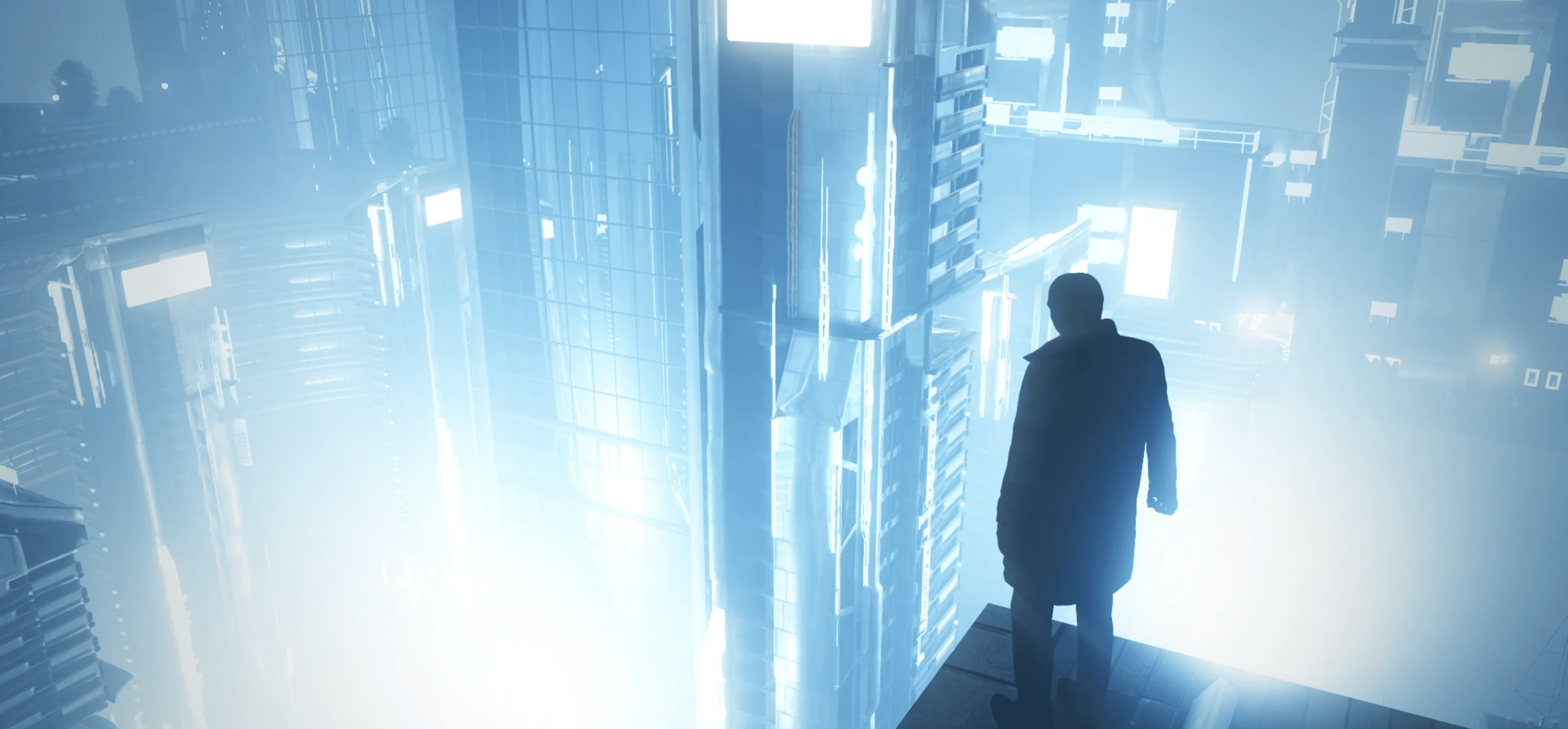
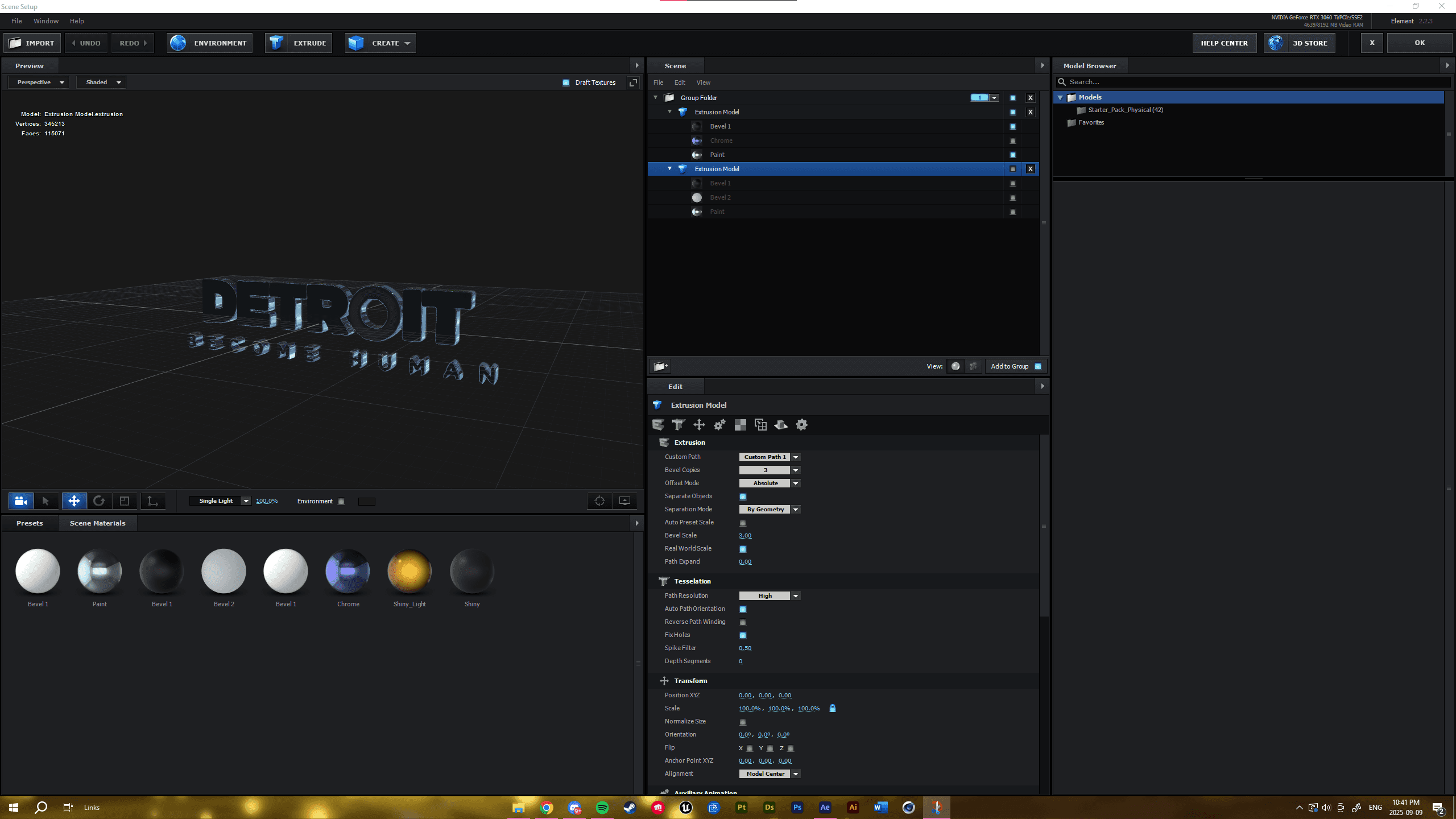
The goal of this project was to design and produce a thirty–second opening sequence for a fictional streaming series based on an already existing video game. The introduction needed to feel cinematic and immersive while still fitting within the conventions of motion design. My team and I worked with Cinema 4D and After Effects to bring together modeling, animation, textures, lighting, and sound in a cohesive way that could stand as a professional title sequence.
INITIAL IDEA AND INTENT :
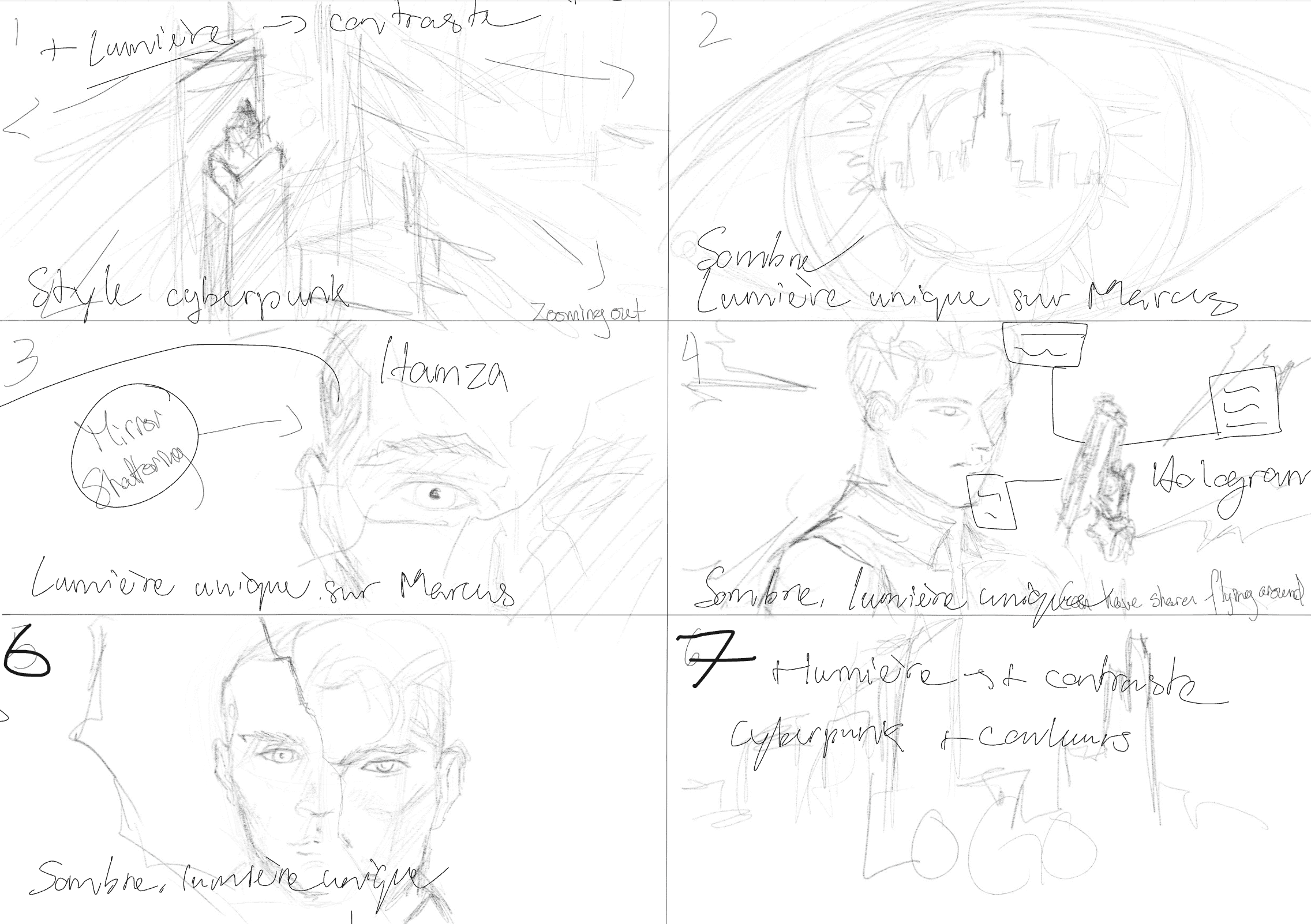
Our original concept was to create a quick six–scene trailer. The early draft leaned heavily on post–production editing and lacked abstract motion design elements, which limited the role of Cinema 4D. We realized adjustments were necessary in order to meet the project requirements while still maintaining the narrative and atmosphere inspired by Detroit: Become Human.
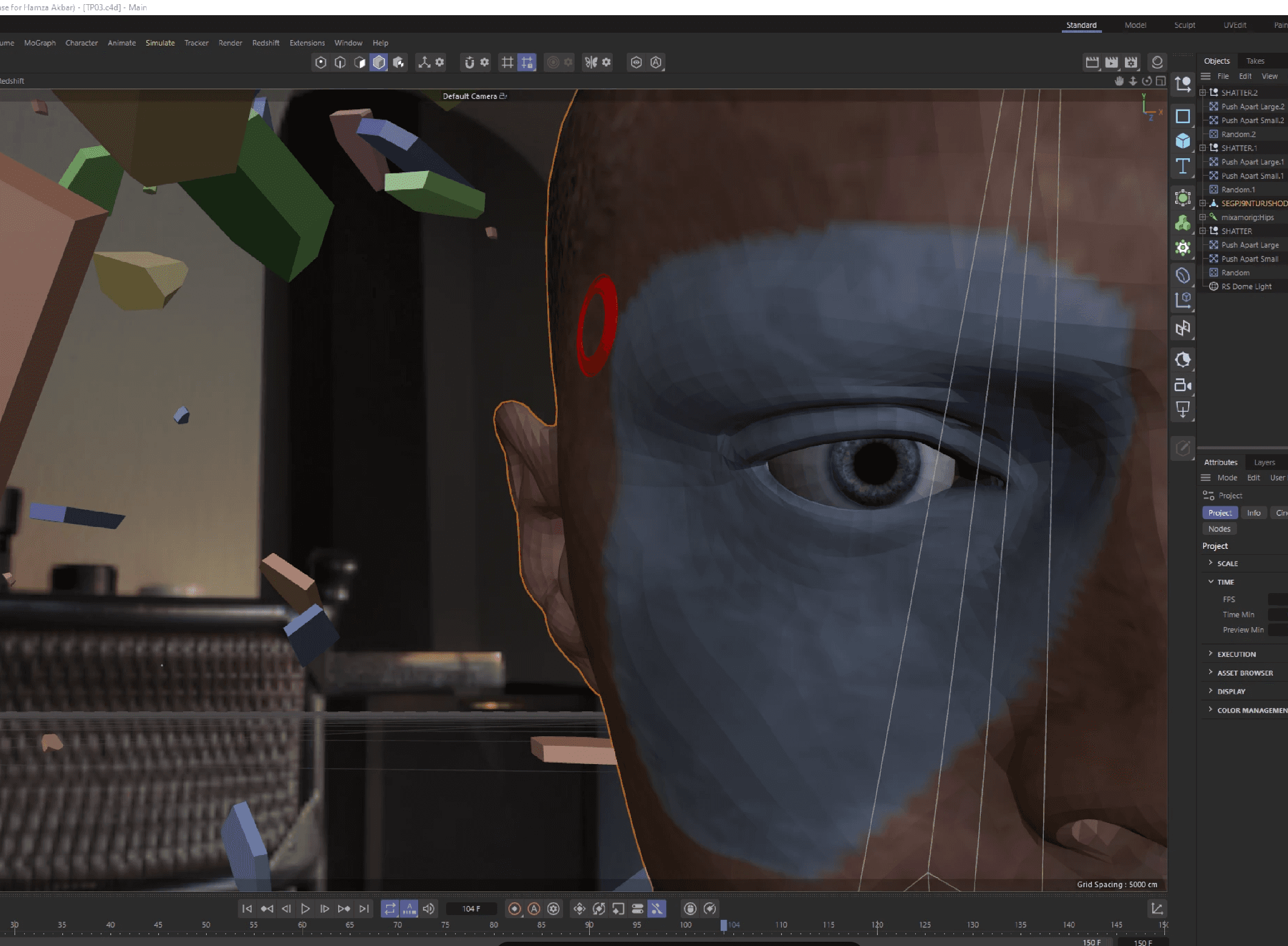
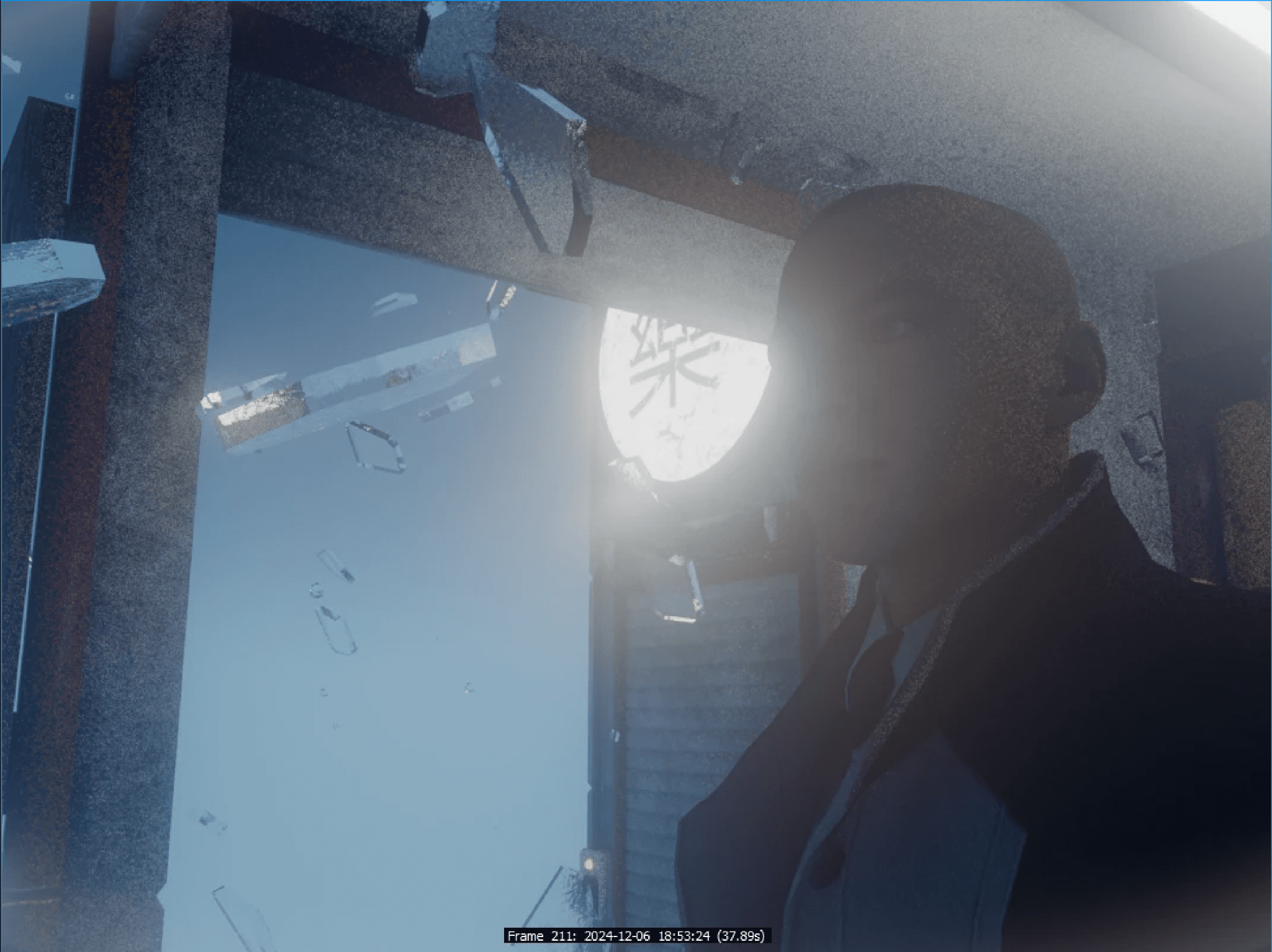
The goal of the trailer was to highlight the story and struggles of the two main characters, Markus and Connor. Unfortunately, we were unable to find a suitable 3D model of Kara, the third protagonist. The trailer begins with Carl Manfred’s voice addressing Markus, urging him to decide who he is. This transitions into a vortex sequence meant to represent Markus’s inner turmoil and conflicting emotions, which explode outward in the following shot with shards of glass flying around him. The next moment introduces Connor, who pulls out his gun as the line “you’re just a machine” echoes in the background. This scene symbolizes his inner programming and the conflict of his identity.
The focus then shifts back to Markus. His sequence represents his transformation from a submissive servant to a being with free will. An abstract flower rolls across the frame, symbolizing renewal and the beginning of a new chapter, followed by Markus overlooking the city. The final shot transitions to the outro, where we see two androids being assembled. This closing image reflects both characters’ origins and sets the stage for their true story, underlined by the final voice line of the sequence.
Challenge :
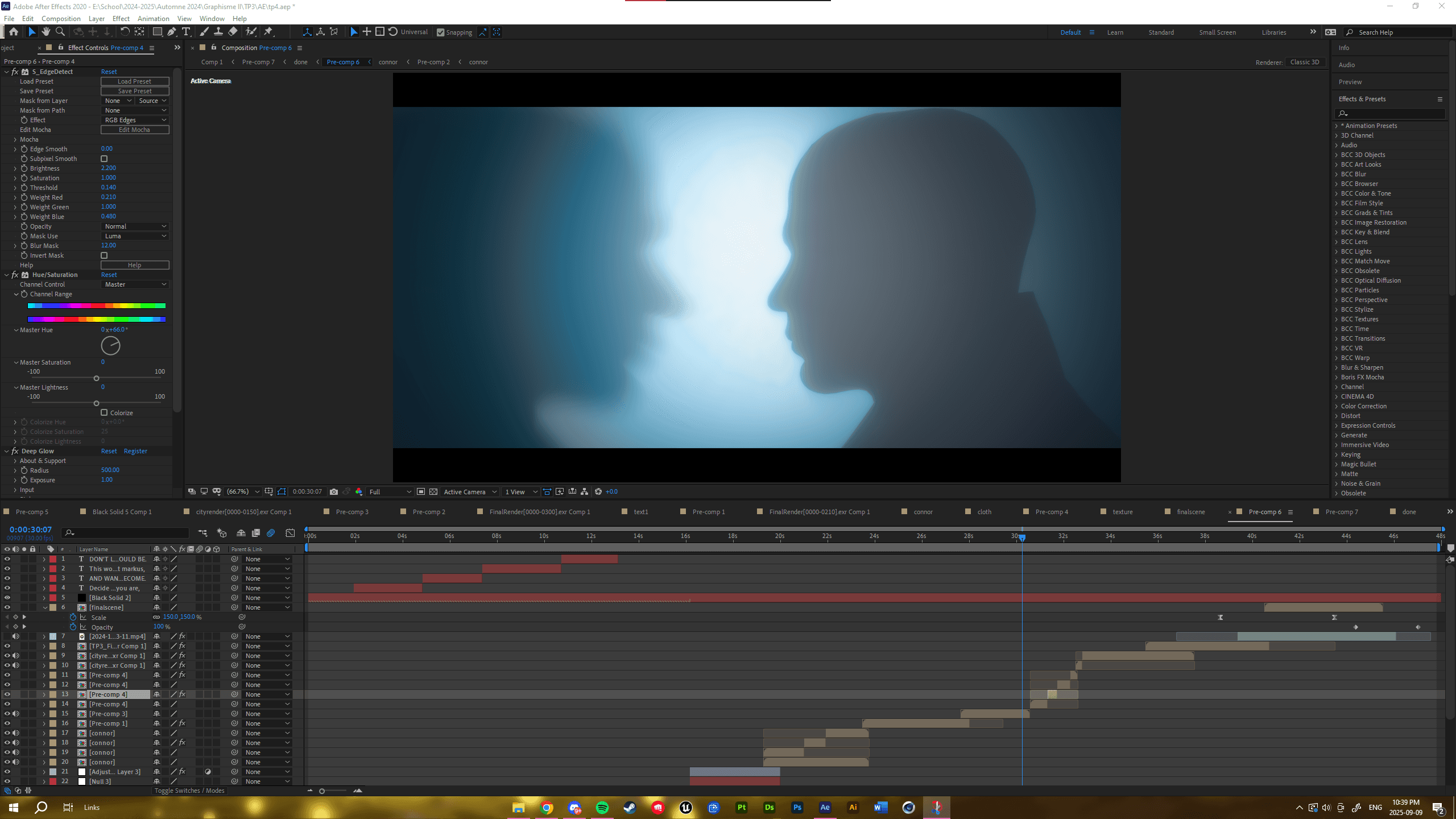
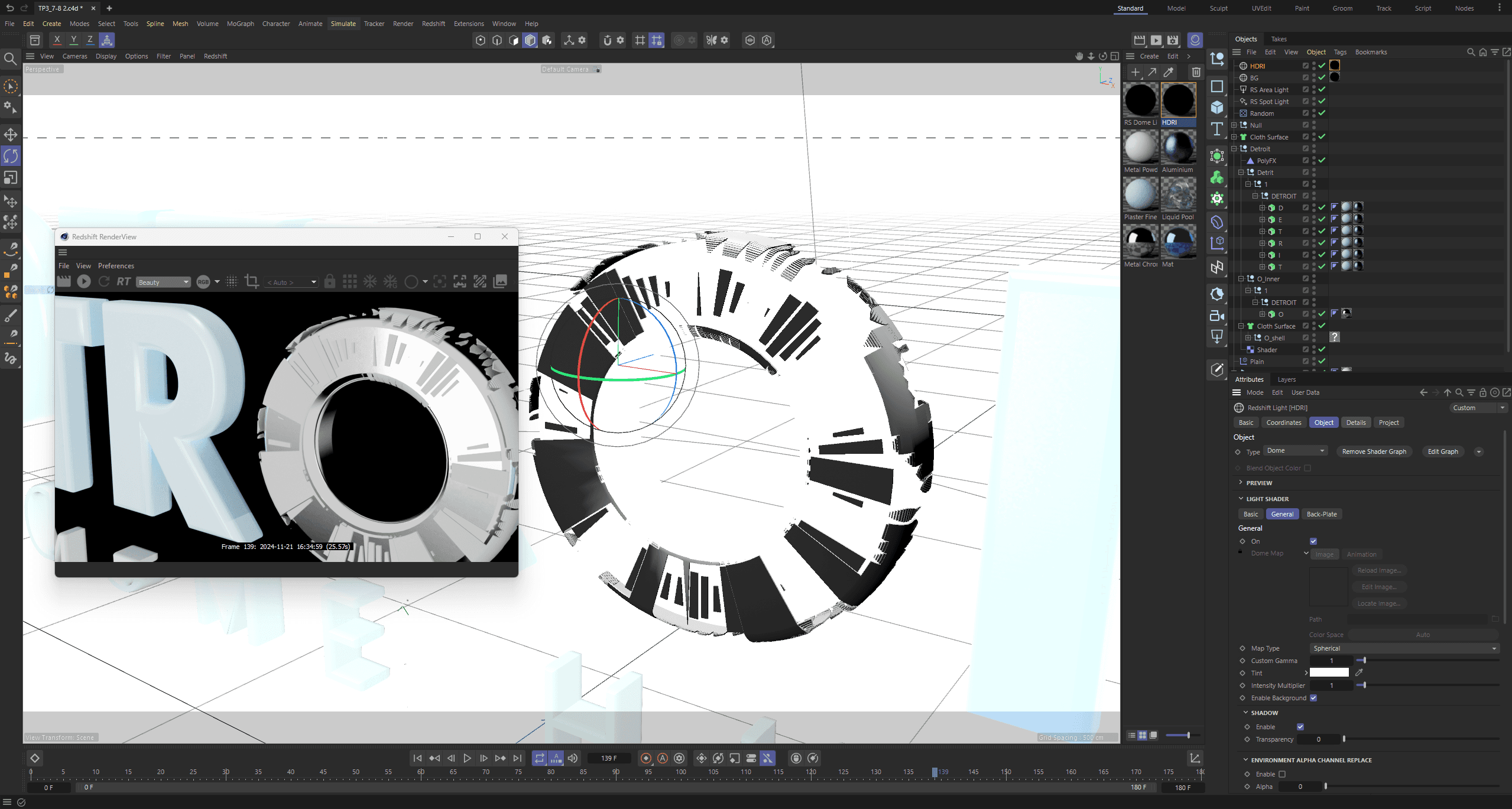
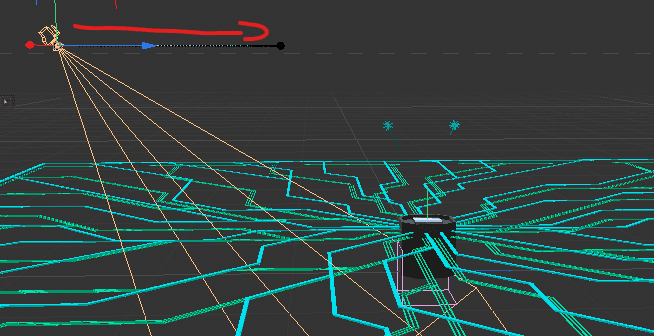
One of the main challenges was the technical complexity of the software and the requirement to make use of generators, effectors, and fields. Balancing realism with efficiency was another difficulty, since adding atmospheric effects and detailed lighting could easily overload the scene or extend rendering times beyond what was feasible. Working as a team of four also meant coordinating schedules, organizing test scenes, making sure the scene were rendered on time since they take a long time, and maintaining a clear vision despite different creative views each teammate had.
SOLUTION:
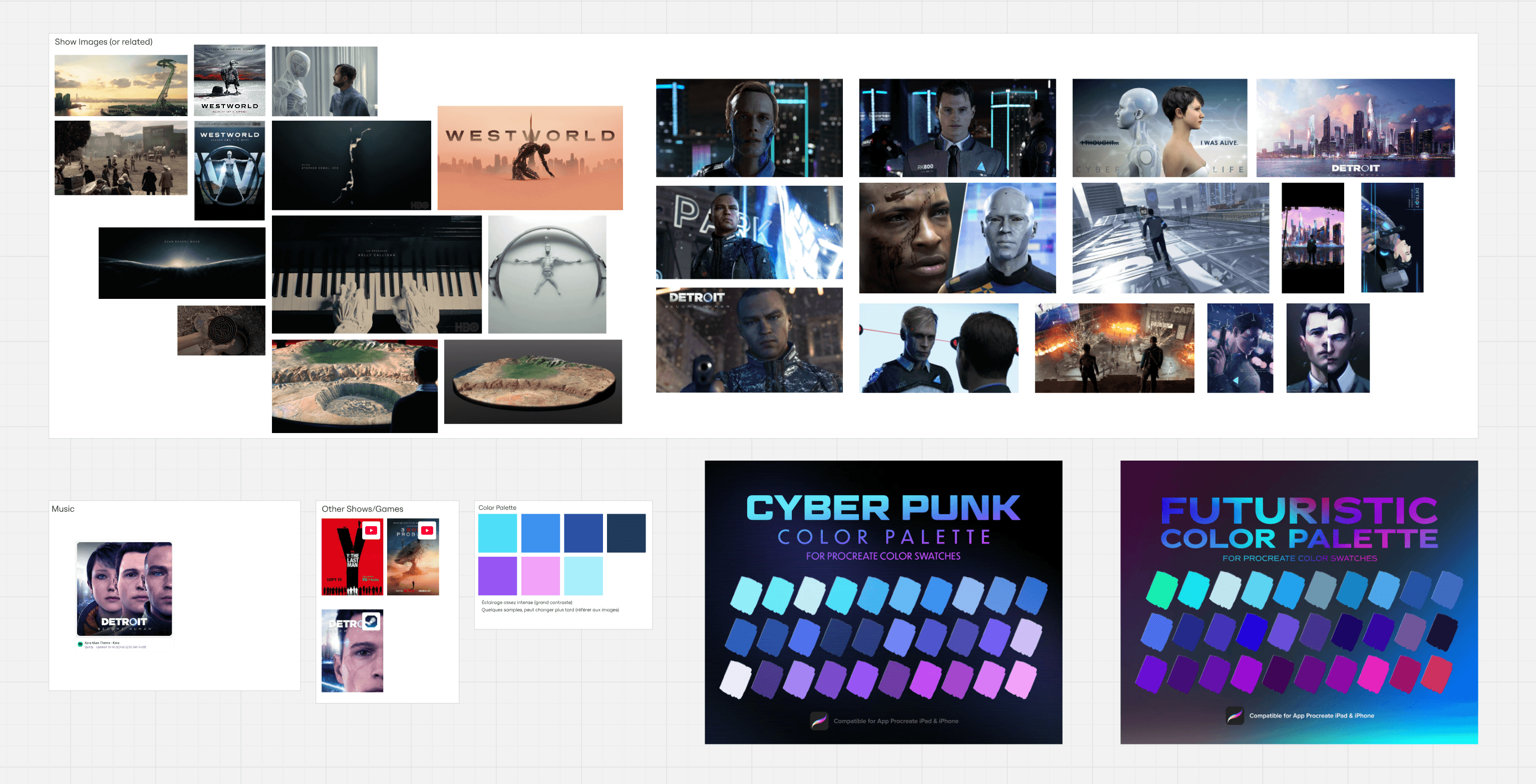
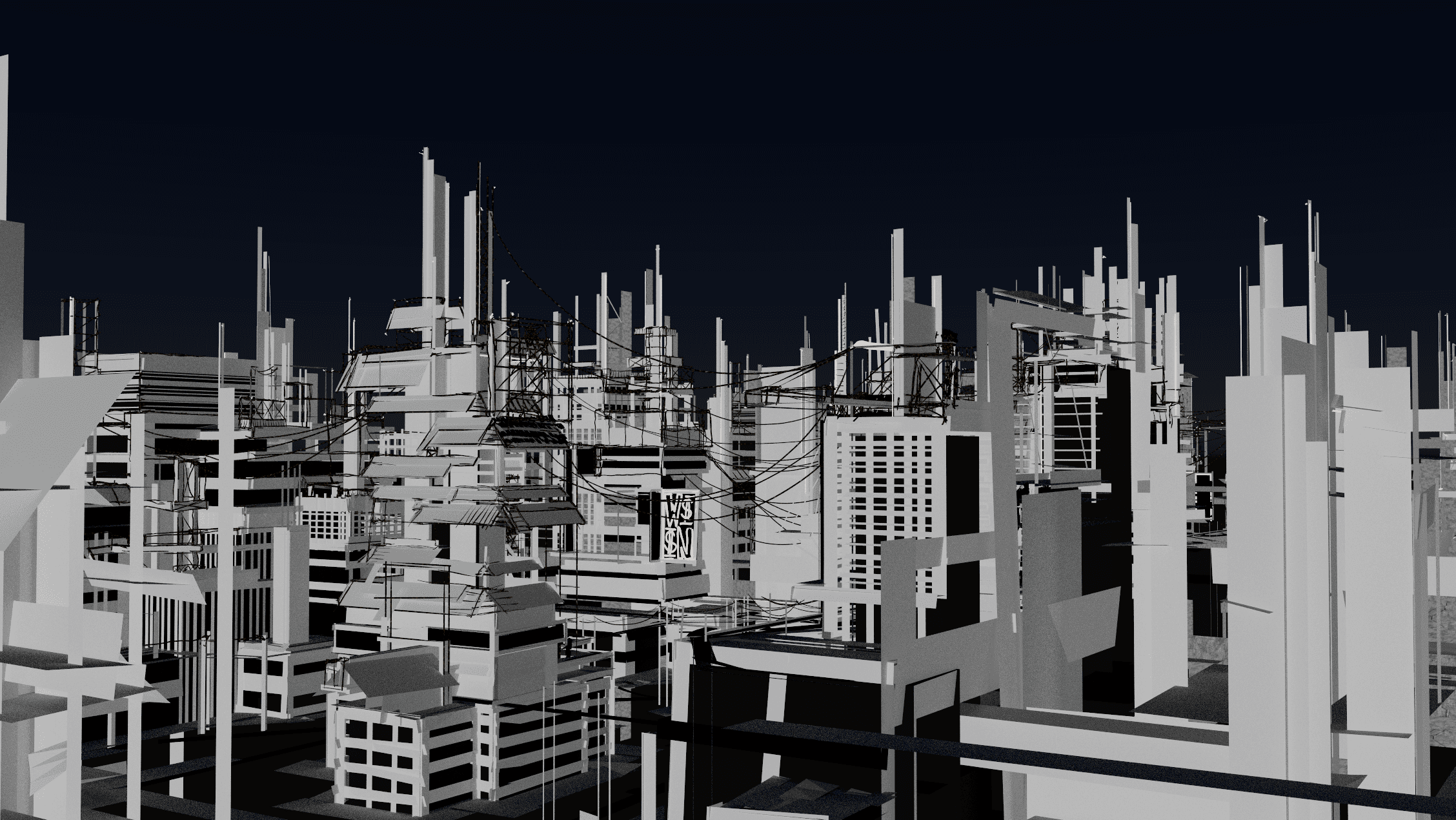
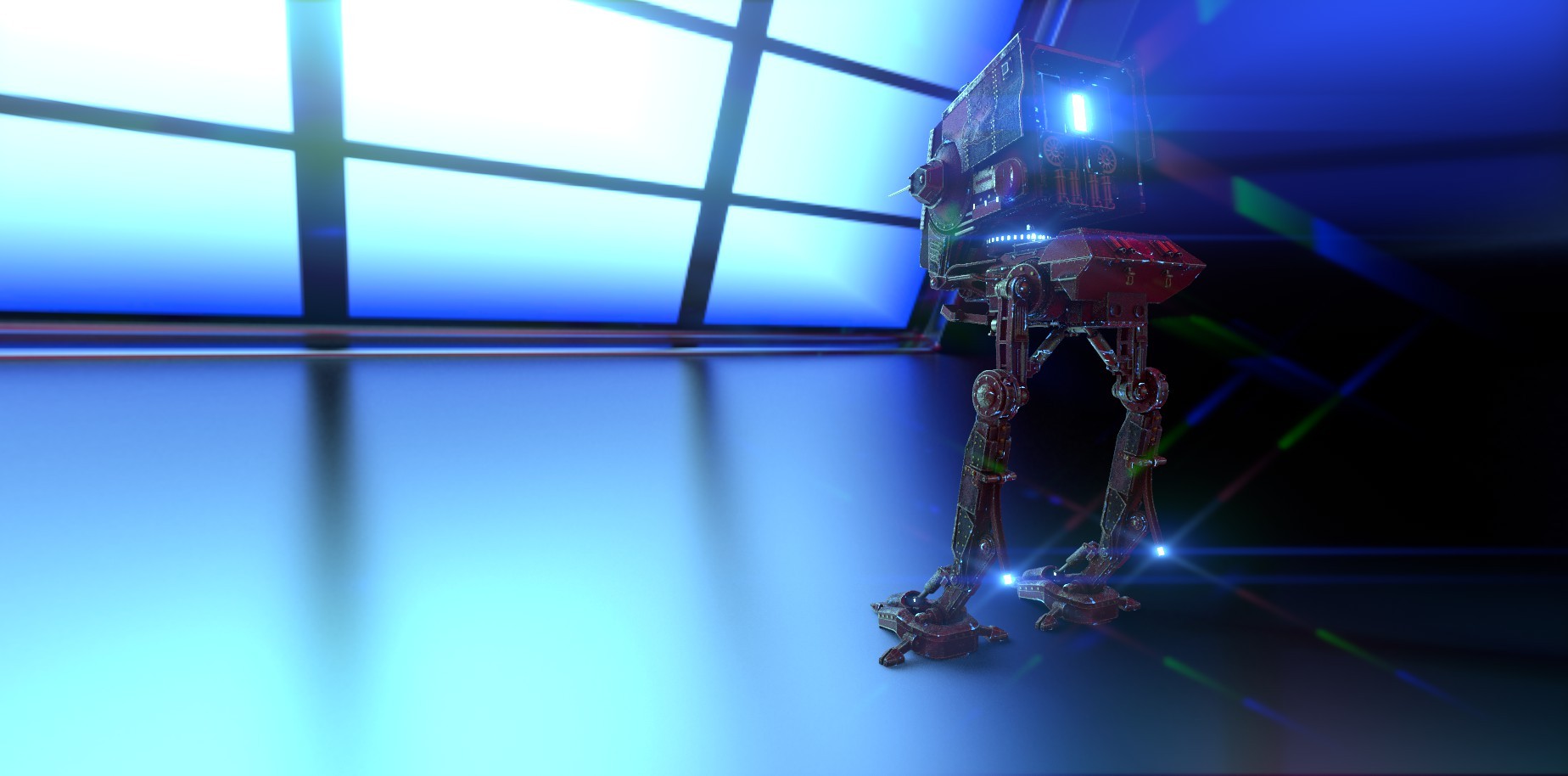
To solve these issues, we created a shared moodboard and storyboard early in the process to align our artistic direction. Each team member developed test scenes that were later integrated into the final project, which allowed us to identify technical problems before the last stages of production. We made use of volumetric lighting, reflective surfaces, and particle simulations to achieve a futuristic and atmospheric look. Post–production in After Effects was used to refine colors, synchronize the sequence with the soundtrack, and enhance the cinematic quality.
The final result is a fifty-four second cyberpunk inspired introduction that blends immersive environments with a strong sense of rhythm and atmosphere. The animation reflects a futuristic Detroit bathed in light and shadow, accompanied by music that reinforces its mysterious tone.
More Projects


Motion Design
DETROIT: BECOME HUMAN
Created a 30 second trailer for an already existing video game with Cinema4D and After Effects.
Year :
2024
Industry :
Film
Client :
Collège de Bois-de-Boulogne
Project Duration :
6 weeks
OBJECTIVE :
The goal of this project was to design and produce a thirty–second opening sequence for a fictional streaming series based on an already existing video game. The introduction needed to feel cinematic and immersive while still fitting within the conventions of motion design. My team and I worked with Cinema 4D and After Effects to bring together modeling, animation, textures, lighting, and sound in a cohesive way that could stand as a professional title sequence.
INITIAL IDEA AND INTENT :
Our original concept was to create a quick six–scene trailer. The early draft leaned heavily on post–production editing and lacked abstract motion design elements, which limited the role of Cinema 4D. We realized adjustments were necessary in order to meet the project requirements while still maintaining the narrative and atmosphere inspired by Detroit: Become Human.
The goal of the trailer was to highlight the story and struggles of the two main characters, Markus and Connor. Unfortunately, we were unable to find a suitable 3D model of Kara, the third protagonist. The trailer begins with Carl Manfred’s voice addressing Markus, urging him to decide who he is. This transitions into a vortex sequence meant to represent Markus’s inner turmoil and conflicting emotions, which explode outward in the following shot with shards of glass flying around him. The next moment introduces Connor, who pulls out his gun as the line “you’re just a machine” echoes in the background. This scene symbolizes his inner programming and the conflict of his identity.
The focus then shifts back to Markus. His sequence represents his transformation from a submissive servant to a being with free will. An abstract flower rolls across the frame, symbolizing renewal and the beginning of a new chapter, followed by Markus overlooking the city. The final shot transitions to the outro, where we see two androids being assembled. This closing image reflects both characters’ origins and sets the stage for their true story, underlined by the final voice line of the sequence.
Challenge :
One of the main challenges was the technical complexity of the software and the requirement to make use of generators, effectors, and fields. Balancing realism with efficiency was another difficulty, since adding atmospheric effects and detailed lighting could easily overload the scene or extend rendering times beyond what was feasible. Working as a team of four also meant coordinating schedules, organizing test scenes, making sure the scene were rendered on time since they take a long time, and maintaining a clear vision despite different creative views each teammate had.
SOLUTION:
To solve these issues, we created a shared moodboard and storyboard early in the process to align our artistic direction. Each team member developed test scenes that were later integrated into the final project, which allowed us to identify technical problems before the last stages of production. We made use of volumetric lighting, reflective surfaces, and particle simulations to achieve a futuristic and atmospheric look. Post–production in After Effects was used to refine colors, synchronize the sequence with the soundtrack, and enhance the cinematic quality.
The final result is a fifty-four second cyberpunk inspired introduction that blends immersive environments with a strong sense of rhythm and atmosphere. The animation reflects a futuristic Detroit bathed in light and shadow, accompanied by music that reinforces its mysterious tone.
More Projects
Motion Design
DETROIT: BECOME HUMAN
Created a 30 second trailer for an already existing video game with Cinema4D and After Effects.
Year :
2024
Industry :
Film
Client :
Collège de Bois-de-Boulogne
Project Duration :
6 weeks
OBJECTIVE :
The goal of this project was to design and produce a thirty–second opening sequence for a fictional streaming series based on an already existing video game. The introduction needed to feel cinematic and immersive while still fitting within the conventions of motion design. My team and I worked with Cinema 4D and After Effects to bring together modeling, animation, textures, lighting, and sound in a cohesive way that could stand as a professional title sequence.
INITIAL IDEA AND INTENT :
Our original concept was to create a quick six–scene trailer. The early draft leaned heavily on post–production editing and lacked abstract motion design elements, which limited the role of Cinema 4D. We realized adjustments were necessary in order to meet the project requirements while still maintaining the narrative and atmosphere inspired by Detroit: Become Human.
The goal of the trailer was to highlight the story and struggles of the two main characters, Markus and Connor. Unfortunately, we were unable to find a suitable 3D model of Kara, the third protagonist. The trailer begins with Carl Manfred’s voice addressing Markus, urging him to decide who he is. This transitions into a vortex sequence meant to represent Markus’s inner turmoil and conflicting emotions, which explode outward in the following shot with shards of glass flying around him. The next moment introduces Connor, who pulls out his gun as the line “you’re just a machine” echoes in the background. This scene symbolizes his inner programming and the conflict of his identity.
The focus then shifts back to Markus. His sequence represents his transformation from a submissive servant to a being with free will. An abstract flower rolls across the frame, symbolizing renewal and the beginning of a new chapter, followed by Markus overlooking the city. The final shot transitions to the outro, where we see two androids being assembled. This closing image reflects both characters’ origins and sets the stage for their true story, underlined by the final voice line of the sequence.
Challenge :
One of the main challenges was the technical complexity of the software and the requirement to make use of generators, effectors, and fields. Balancing realism with efficiency was another difficulty, since adding atmospheric effects and detailed lighting could easily overload the scene or extend rendering times beyond what was feasible. Working as a team of four also meant coordinating schedules, organizing test scenes, making sure the scene were rendered on time since they take a long time, and maintaining a clear vision despite different creative views each teammate had.
SOLUTION:
To solve these issues, we created a shared moodboard and storyboard early in the process to align our artistic direction. Each team member developed test scenes that were later integrated into the final project, which allowed us to identify technical problems before the last stages of production. We made use of volumetric lighting, reflective surfaces, and particle simulations to achieve a futuristic and atmospheric look. Post–production in After Effects was used to refine colors, synchronize the sequence with the soundtrack, and enhance the cinematic quality.
The final result is a fifty-four second cyberpunk inspired introduction that blends immersive environments with a strong sense of rhythm and atmosphere. The animation reflects a futuristic Detroit bathed in light and shadow, accompanied by music that reinforces its mysterious tone.